

Nursing education in today’s world is like a rollercoaster, full of twists, turns, and a few unexpected drops. Whether it’s adapting to new technologies or responding to workforce challenges, the landscape is constantly shifting. But don’t worry, unlike that last coffee you had, this isn’t going to keep you up at night. Understanding the ins and outs of nurse education isn’t just beneficial for schools and employers: it’s crucial for everyone who relies on healthcare services. Get ready for a deep jump into the vibrant world of nursing education today and why it matters more than ever.
Importance of Nursing Education
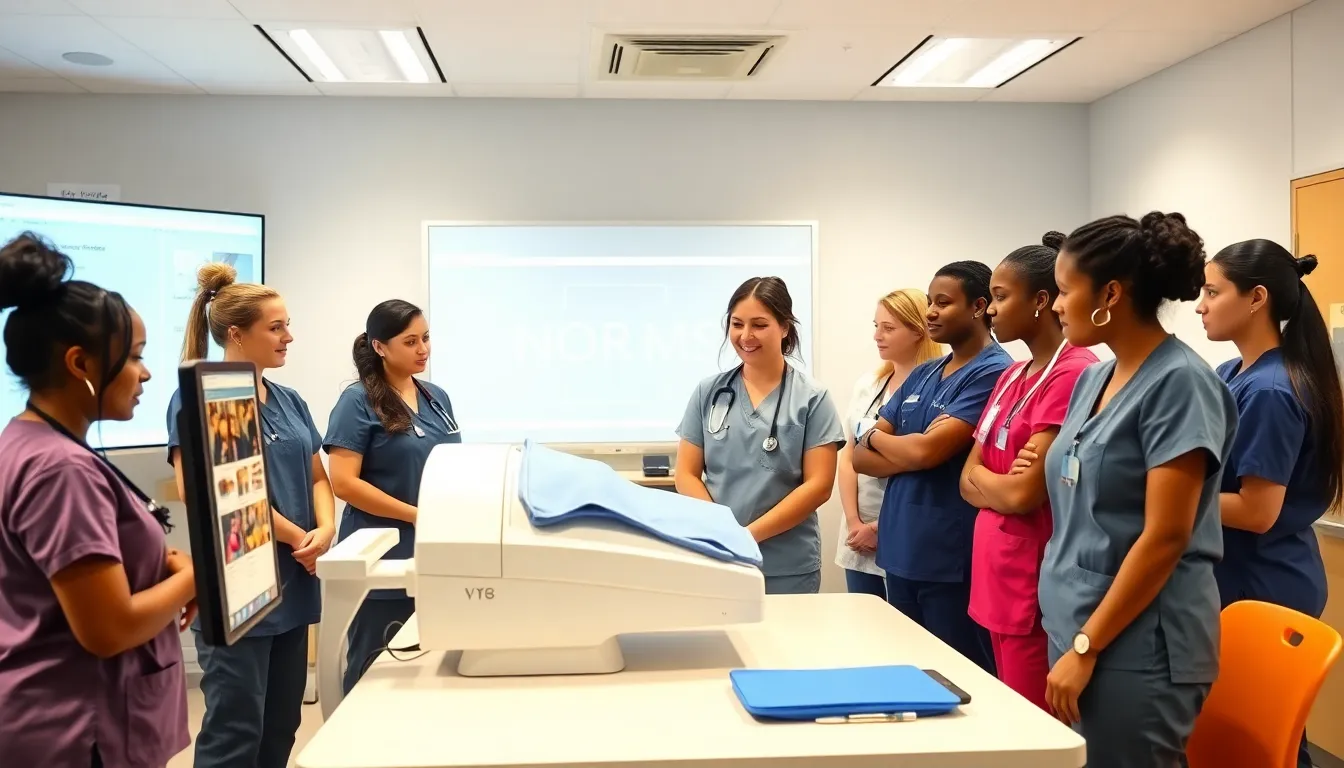
Nursing education serves as the backbone of healthcare systems worldwide. Nurses are often the first point of contact for patients, making their training essential not just for individual care, but for community health overall. As healthcare becomes more complex, the demand for well-educated nurses increases. Well-trained nurses enhance patient safety, improve clinical outcomes, and contribute positively to healthcare teams. This level of care stems from rigorous education that equips nurses with a robust understanding of medical sciences, ethical practices, and communication skills. So, the importance of nursing education cannot be overstated: it is pivotal to ensuring that healthcare systems can efficiently serve diverse populations.
Evolution of Nursing Curricula
Nursing curricula have undergone significant changes over the years, evolving from basic training to elaborate academic programs that cover a broad range of topics. In the early 20th century, nursing education focused primarily on practical skills. Today, nursing programs integrate theoretical frameworks, evidence-based practices, and interdisciplinary approaches to patient care. Schools now offer varying degrees of nursing education, from diplomas and associate degrees to bachelor’s and even master’s degree programs. This evolution reflects a growing understanding that nursing is a science and an art, requiring a blend of theoretical knowledge and practical skills to provide comprehensive care.
Technological Advancements in Nursing Education
Technology is revolutionizing every facet of education, and nursing is no exception. The introduction of online learning platforms allows nursing students to access lectures and resources remotely, making education more accessible than ever. Virtual simulations also enable nursing students to practice in realistic environments without compromising patient safety. Also, the use of artificial intelligence in nursing education can tailor learning experiences to individual needs, helping students to master complex concepts at their own pace. These advancements not only improve the quality of education but also prepare nurses to use technology efficiently in their professional roles, enhancing patient care.
Challenges in Nurse Education
Even though its importance, nursing education faces several challenges. One major hurdle is the nursing faculty shortage. Many qualified professionals opt for clinical roles over teaching, leading to a limited capacity in nursing programs. Also, high attrition rates among nursing students exacerbate this issue: the rigorous curriculum can be overwhelming for many. Financial constraints also play a role, as funding for nursing programs often fails to keep pace with the increasing demand for nurses. These challenges make it essential to innovate and adapt nursing education strategies to better prepare students and eventually, bridge the gap in healthcare services.
Future Trends in Nurse Education
Looking ahead, several trends are set to shape the future of nursing education.
Impact of Simulation and Clinical Training
Simulation environments are becoming more sophisticated. They allow students to engage in real-life scenarios that enhance their critical thinking and decision-making skills. This hands-on approach helps them feel more prepared for real clinical settings.
Interprofessional Education and Collaboration
Collaborating with other healthcare disciplines is gaining traction. This type of education prepares nurses to work effectively in teams, enhancing communication and improving patient outcomes. Interprofessional education encourages a culture of collaboration right from the educational stage.
Addressing Workforce Shortages
To tackle workforce shortages, nursing programs are looking for innovative recruitment strategies. These may include outreach initiatives in high schools and community colleges. Increasing scholarships and mentorship programs also plays a critical role in attracting new students to the field.
Policy Changes and Funding Opportunities
As nursing continues to evolve, policy changes at state and federal levels will affect education funding and curriculum standards. Advocating for policies that support nursing education and training will be vital to ensuring a competent nursing workforce in the future.


