

Education is often seen as the backbone of society, but in reality, it’s in a bit of a jam. Picture a motivational poster in a school hallway that reads, “We’re all in this together.” well, that’s fantastic, but it doesn’t quite cut it when students are crammed into classrooms barely long enough to breathe. From funding disparities to teacher shortages and mental health issues, the challenges are plenty. But fear not. There are solutions lurking around the corner, just waiting to be explored. Let’s take a deep jump into the educational system’s current landscape and see what can be done to uplift our future generations.
Funding Disparities
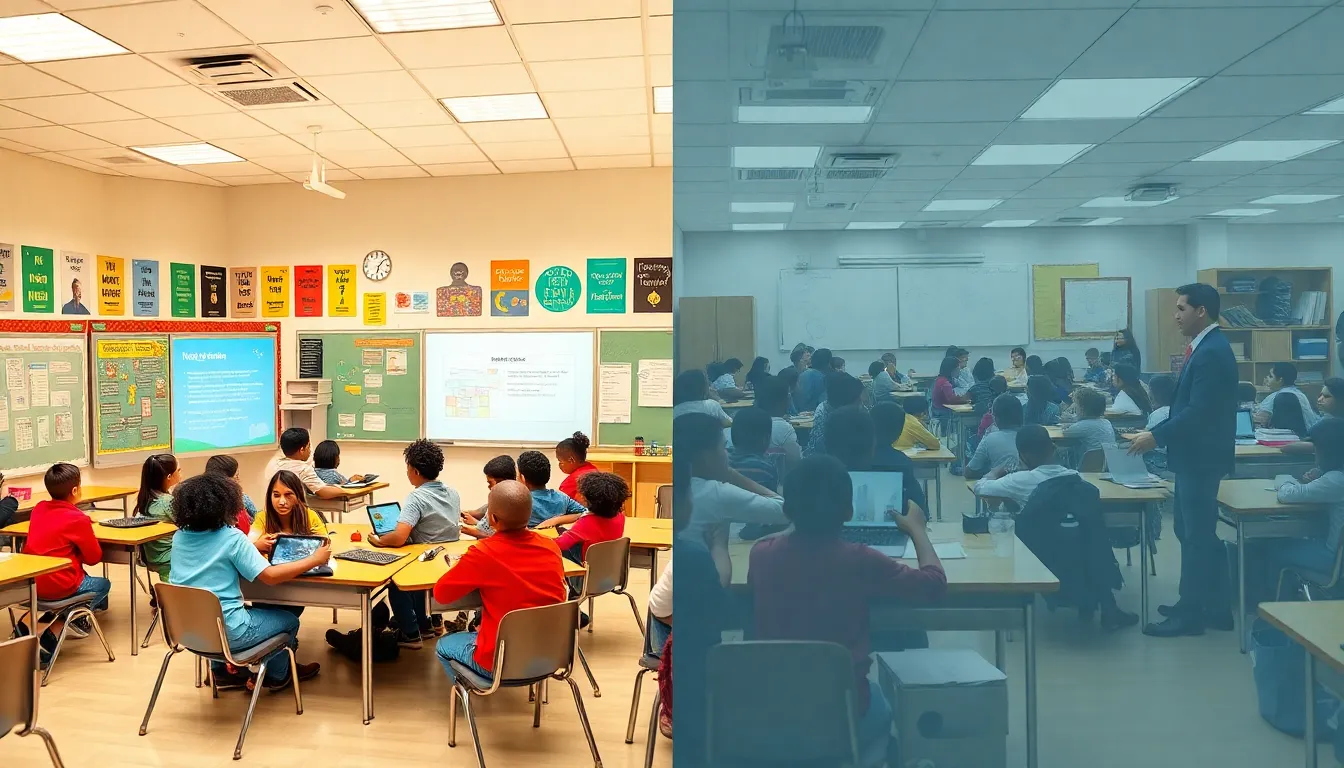
Funding disparities in education resemble a vast and often frustrating chasm, where some students are blessed with resources while others are left in the dust. The stark contrasts in funding between affluent districts and underfunded ones lead to uneven educational quality.
Impact on Educational Quality
The ramifications of funding disparities are profound. Schools in wealthier areas can offer advanced placement courses, state-of-the-art technology, and extracurricular programs. Meanwhile, their less fortunate counterparts struggle to maintain basic supplies. Research shows that students in underfunded schools often languish in overcrowded classrooms, lack essential learning materials, and receive limited access to qualified educators. This not only undermines their potential but also exacerbates issues of equity within our education system.
Case Studies of Affected Areas
For instance, take the tragic case of a school district in a low-income area, where the budget cuts led to the elimination of arts programs and after-school activities. Meanwhile, just a few miles away, a different district flourishes, boasting high-tech labs and diverse extracurricular offerings. The disparities don’t just surface in funding but ripple through the quality of education provided, leaving lasting impacts on students’ opportunities and outlooks.
Proposed Solutions
So, what can be done about these glaring funding disparities? One suggestion is reallocating existing state and federal resources more equitably. Reassessing how education funding is allocated on a national level, including consideration of socio-economic factors, could help level the playing field. Besides, community involvement in local schools can initiate grassroots fundraising efforts directed at building resources and support.
Optimizing partnerships between local businesses and schools can also create mutually beneficial arrangements, fostering a sense of community investment in educational success. Collaboration can cultivate innovative solutions, potentially bridging the gap significantly.
Teacher Shortages and Retention
Struggling with teacher shortages is another urgent problem for education today. The exodus of talented educators from the profession creates rippling effects that harm students and schools alike.
Causes of Teacher Attrition
Why are so many teachers leaving the profession in droves? Factors such as inadequate salaries, overwhelming workloads, and lack of support often drive them away. Not only are teachers facing the day-to-day pressures of educating students, but they also contend with the ever-increasing demands beyond the classroom. When financial and emotional support for teachers dwindles, burnout and attrition soar.
Strategies for Retaining Educators
To tackle these issues, school administrators must carry out strategic initiatives focused on improving teacher well-being. Increasing salaries and providing professional development opportunities can demonstrate value and appreciation. Besides, creating mentoring programs pairing experienced teachers with newcomers can foster a supportive environment, ensuring that teachers feel cherished and capable.
Curriculum Relevance and Adaptation
The relevance of curriculum is also crucial in today’s rapidly changing world. Schools must adapt to meet the needs of diverse learners while preparing them for a tech-savvy future.
Incorporating Technology in Learning
Embracing technology in education should not be just an afterthought: it must be a priority. Utilizing digital tools can enhance the learning experience, making it more interactive and engaging for students. By integrating coding, digital collaboration, and online resources, schools can spark creativity and enhance critical thinking skills.
Addressing Diverse Learning Needs
As classrooms become increasingly diverse, educators must hone their ability to address varying learning needs. Customized learning plans and differentiated instruction can help cater to individual differences, ensuring that all students receive the education they deserve. Equipping teachers with the skills to help such personalized learning can greatly improve student outcomes.
Mental Health and Well-Being
In today’s educational landscape, the significance of mental health cannot be overstated. Schools play a pivotal role in supporting students’ mental well-being, making it an essential facet of educational improvement.
The Role of Schools in Mental Health
Educators are often on the front lines when it comes to identifying mental health concerns. By fostering a supportive environment, schools can provide safe spaces for students to express their feelings and seek help. Comprehensive mental health education can empower students with coping strategies and promote overall wellness.
Programs Supporting Student Well-Being
Initiatives focusing on mental health, such as counseling services and peer support programs, can significantly impact student well-being. For example, creating mental health awareness campaigns and implementing stress-management workshops not only helps students learn about mental health but can also create a culture of openness and support within schools.


