

In a world where knowledge is power, it’s shocking how many pitfalls plague our education system. From funding woes that make school budgets tighter than a pair of skinny jeans to tech that sometimes works better than the teachers, education issues today are as diverse as a box of chocolates, full of surprises, both sweet and bitter. Navigating these challenges requires a keen eye and a healthy dose of humor, because if we can’t laugh about the absurdities, we might just cry. Buckle up, because we’re diving into the education issues that shape our future.
Funding Challenges in Education
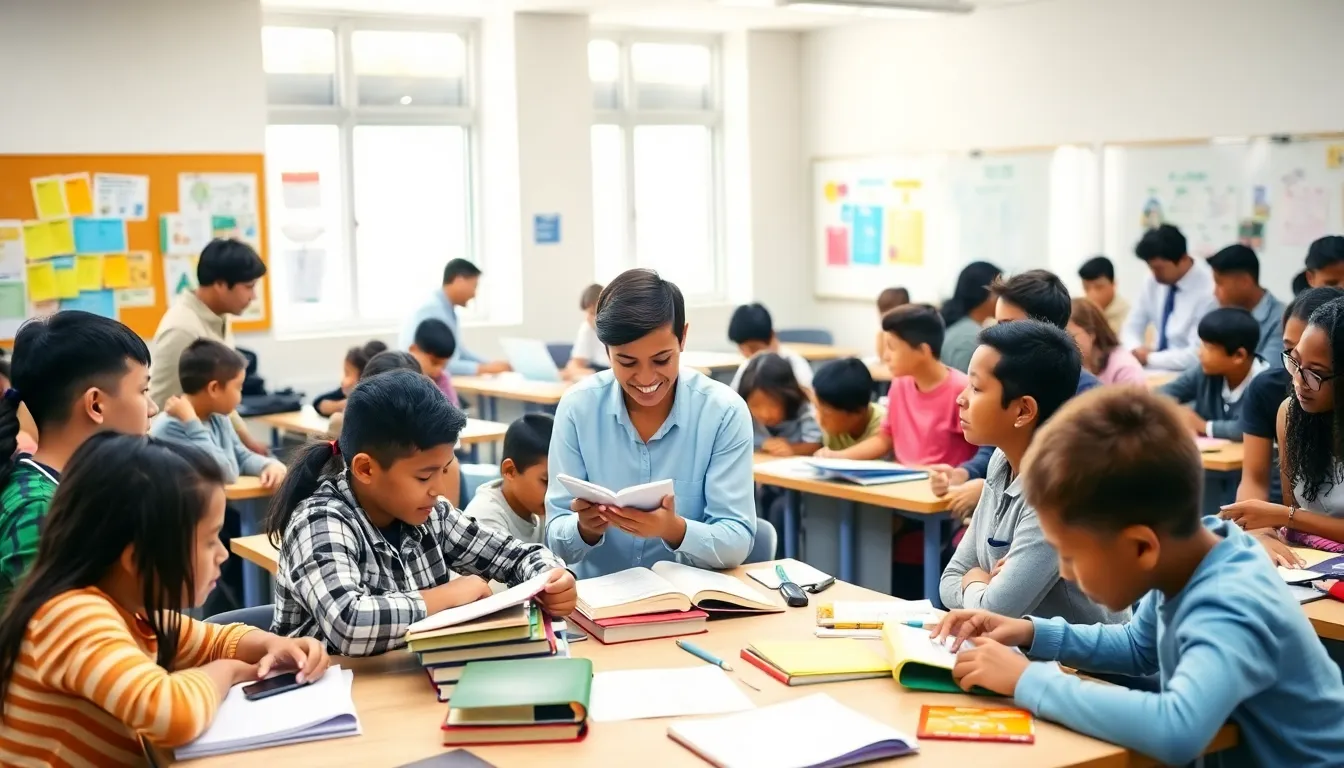
Funding for education has become a hot-button issue. Schools often find themselves caught in a financial tug-of-war, struggling to secure enough resources for basic functions. Budget cuts seem to occur more frequently than a snow day during the winter. Many educational institutions rely on local property taxes, which can create disparities between affluent and disadvantaged areas. Imagine trying to throw the best birthday party ever while your friends are still trying to figure out how to pay for cake, it’s a mess.
Also, these financial constraints lead to overcrowded classrooms, outdated materials, and a lack of extracurricular programs. Teachers are left to improvise, often replenishing supplies from their own pockets. The situation leaves many educators feeling overwhelmed while trying to provide quality instruction.
In short, it’s time for stakeholders, from government entities to local communities, to rethink how education is funded. Innovations in funding models and community engagement could pave the way for equitable education.
Impact of Socioeconomic Factors
Socioeconomic status plays a crucial role in education. Students from lower-income families frequently face obstacles like inadequate access to resources, which can hinder their academic progress. When families struggle to meet basic needs, education often becomes a secondary priority.
Students living in poverty may lack essential tools for learning, think textbooks, internet access, or even a quiet space to study. It’s as if they start a marathon without shoes while others zoom ahead in high-end sneakers. Research shows that low-income kids are at a disadvantage, falling behind their peers in academic achievement.
It’s essential for policymakers to recognize the link between socioeconomic factors and educational outcomes. Programs designed to support low-income families can create pathways to success, leveling the playing field in the classroom.
Equity and Access to Quality Education
Equity in education is not just a buzzword, it’s a necessity. The disparities between schools can be alarming. Some students have access to advanced placement courses and state-of-the-art facilities, while others attend schools with limited offerings and resources. This educational inequality leads to a cycle that’s tough to escape.
Also, students from marginalized communities often face systemic barriers that impact their educational journey. Challenges, such as racial discrimination, language barriers, and lack of representation in curricula, further contribute to reduced educational outcomes. Everyone deserves a fair chance to succeed, and addressing these disparities is crucial for fostering a brighter future.
Role of Technology in Modern Education
Technology has transformed education in numerous ways. Yet, it comes with its own set of challenges. While online learning platforms provide opportunities for students to learn at their own pace, they can exacerbate the digital divide. Not every student has a reliable internet connection or access to modern devices. Picture a classroom where half the students are living in the Stone Age, while the others are zooming through virtual lessons.
On the flip side, integrating technology into the classroom can enhance engagement. Interactive lessons, educational apps, and online resources have made learning more dynamic. Teachers are also finding innovative ways to use technology to meet diverse learning needs. The question is: how can educators ensure that every student benefits from these advancements?
Teacher Shortages and Educator Well-being
Teacher shortages are a pressing issue impacting educational quality. The profession is plagued by high turnover rates: many teachers leave the field within the first five years. Reasons vary, but often include burnout, inadequate support, and low salaries. Imagine pouring your heart into teaching only to feel undervalued and overworked, it’s no surprise that many educators are leaving the classroom.
This shortage not only affects teachers but also impacts students’ learning experiences. Larger class sizes can reduce individual attention, making it more challenging for students to get the support they need. Educators deserve better working conditions, financial compensation, and mental health resources, after all, happy teachers lead to happy students.
Curriculum Relevance and Inclusivity
Curriculum relevance has become a critical point of discussion in today’s educational landscape. Many students find themselves disengaged from content they deem irrelevant to their lives. History lessons about events that seem far removed from today’s societal issues often lead to disinterest and apathy. educators are called to weave real-life scenarios into lessons, making learning relatable.
Inclusivity goes hand in hand with curriculum relevance. With the growing recognition of diverse backgrounds and experiences, educational materials must reflect a wide range of voices. Students need to see themselves in their studies: it fosters a sense of belonging and enhances the overall learning experience. This requires a shift in how curriculum developers and educators approach content planning.
Mental Health and Student Support Services
Mental health has emerged as a paramount concern in educational institutions. The pressures of academic performance, social media, and personal challenges can create overwhelming stress for students. Schools are slowly starting to recognize the importance of mental health support, but there’s still a long way to go. Picture a student trying to manage their anxiety while preparing for exams, it’s a challenging job.
Access to counseling services, mental health programs, and supportive environments are essential for nurturing well-rounded students. Incorporating mental health education into curricula can help reduce stigma and encourage students to seek help. A strong foundation in mental health not only supports personal growth but also contributes to improved academic performance.


